
Key Takeaways
- Selecting the right tree species can improve curb appeal, provide shade, and enhance property value for years to come.
- Mature size, root growth, and maintenance needs should be considered before planting trees near a house.
- Trees such as Japanese maple, dogwood, red maple, serviceberry, and magnolia offer a balance of beauty and functionality.
- Proper tree placement can help reduce cooling costs by providing natural shade during warmer months.
- Low-maintenance trees require less pruning, are more resistant to disease, and are better suited for residential landscapes.
- Regular watering, mulching, and seasonal inspections help trees establish strong roots and remain healthy over time.
- Avoiding aggressive root systems and planting at appropriate distances can help protect foundations, walkways, and other structures.
Trees are one of the most valuable investments homeowners can make in their landscapes. A well-placed tree can transform the appearance of a property, provide cooling shade during hot summers, improve privacy, and even increase home value. Beyond their visual appeal, trees can also help reduce energy costs by blocking direct sunlight from hitting windows, walls, and roofs.
However, not every tree is suitable for planting near a house. Some species grow too large, develop aggressive root systems, or require frequent maintenance. Choosing the right tree involves balancing beauty, shade, mature size, and long-term care requirements.
The best trees for residential landscapes provide attractive foliage, manageable growth, and enough shade to make outdoor spaces more comfortable without creating future problems. Whether you are updating your front yard, improving your backyard, or designing a completely new landscape, selecting the right trees can make a significant difference.
This guide highlights ten of the best trees to plant near a house for shade and curb appeal while offering practical tips for successful planting and long-term maintenance.
Why Trees Are Important for Residential Landscapes
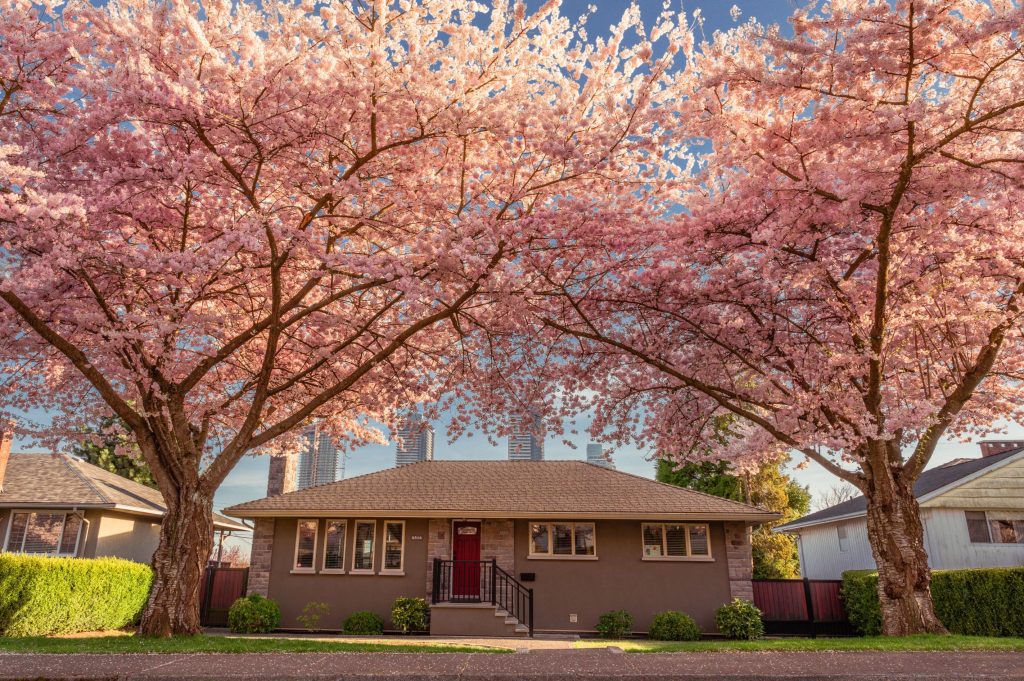
Trees provide many benefits beyond appearance.
Advantages include:
- Increased curb appeal
- Cooling shade
- Improved air quality
- Wildlife habitat
- Energy savings
- Increased property value
A mature tree can become one of the most attractive features of a property.
Choosing the right species ensures that these benefits can be enjoyed for decades.
What to Consider Before Planting a Tree
Before selecting a tree, homeowners should evaluate several factors.
Important considerations include:
- Climate zone
- Available space
- Mature height
- Mature spread
- Root behavior
- Maintenance requirements
A tree that fits the landscape properly will require fewer corrections and less maintenance over time.
Understanding Tree Placement
Location is just as important as species selection.
Poor placement can lead to:
- Foundation concerns
- Roof interference
- Sidewalk damage
- Utility conflicts
As a general rule:
- Small trees should be planted at least 10 to 15 feet from structures.
- Medium trees should be planted 15 to 20 feet away.
- Large trees often require 20 feet or more.
Research each species carefully before planting.
1. Japanese Maple
Japanese maples are among the most popular ornamental trees for residential landscapes.
Why Homeowners Love Them
Benefits include:
- Elegant appearance
- Beautiful foliage
- Compact size
- Seasonal color changes
Many varieties remain relatively small, making them ideal for planting near homes.
Shade and Curb Appeal
While they do not provide the deep shade of larger trees, they add significant visual interest and sophistication to a landscape.
Their colorful leaves often become a focal point in the yard.
2. Red Maple
Red maples are known for their impressive fall color.
Key Benefits
- Fast growth
- Attractive shape
- Excellent shade
- Vibrant autumn foliage
Why They Work Near Homes
When properly spaced, red maples can provide substantial cooling shade without overwhelming a property.
Their seasonal color display enhances curb appeal throughout the year.
3. Dogwood
Dogwoods are beloved for their spring blooms and manageable size.
Advantages
- Beautiful flowers
- Moderate growth
- Attractive branching
- Four-season interest
Landscaping Appeal
Dogwoods work well in both traditional and modern landscapes.
Their compact nature makes them suitable for many residential lots.
4. Serviceberry
Serviceberry trees offer year-round beauty.
Features
- Spring blossoms
- Summer berries
- Fall color
- Winter structure
Wildlife Benefits
Birds are especially attracted to serviceberry fruit.
This tree provides visual interest while supporting local wildlife.
5. Crape Myrtle
Crape myrtles are particularly popular in warmer climates.
Benefits
- Long blooming season
- Drought tolerance
- Attractive bark
- Minimal maintenance
Why Homeowners Choose Them
Crape myrtles provide colorful flowers during summer when many other trees have stopped blooming.
They also remain relatively easy to care for.
6. Eastern Redbud
The Eastern redbud is one of the first trees to bloom each spring.
Highlights
- Bright pink flowers
- Moderate size
- Attractive heart-shaped leaves
- Adaptability
Shade and Beauty
While not a massive shade tree, the Eastern redbud creates pleasant filtered shade and impressive visual appeal.
7. Magnolia
Certain magnolia varieties are excellent choices near homes.
Popular Benefits
- Large flowers
- Glossy foliage
- Evergreen options
- Elegant appearance
Choosing the Right Variety
Some magnolias become very large, while others remain compact.
Smaller cultivars are often better suited for residential landscapes.
8. River Birch
River birch trees are valued for their unique bark and adaptability.
Advantages
- Attractive peeling bark
- Fast growth
- Good shade
- Moisture tolerance
Visual Interest
The bark provides year-round beauty, even during winter when leaves are absent.
This makes river birch a strong landscape feature in every season.
9. Amur Maple
Amur maple is a smaller tree that offers impressive seasonal color.
Benefits
- Compact size
- Bright fall foliage
- Cold hardiness
- Easy maintenance
Ideal Locations
This tree works particularly well in smaller yards where larger species may be impractical.
10. American Hornbeam
The American hornbeam is often overlooked but offers many benefits.
Why It Deserves Attention
- Strong branch structure
- Attractive foliage
- Moderate size
- Excellent durability
Long-Term Value
Its adaptability and resilience make it a reliable landscape choice.
The tree provides shade while maintaining a neat appearance.
Trees That Provide the Best Shade
If cooling shade is your primary goal, consider:
- Red maple
- River birch
- Magnolia
- American hornbeam
These trees develop larger canopies that can help reduce heat around the home.
Strategic placement can significantly improve outdoor comfort.
Trees That Deliver Maximum Curb Appeal
For visual impact, consider:
- Japanese maple
- Dogwood
- Eastern redbud
- Magnolia
- Crape myrtle
These species offer attractive flowers, colorful foliage, or distinctive forms.
They can enhance the appearance of a property throughout multiple seasons.
How Trees Help Lower Energy Costs
Trees can function as natural cooling systems.
Benefits include:
- Reduced solar heat gain
- Lower air conditioning use
- Increased outdoor comfort
Deciduous trees are especially effective because they provide shade in summer while allowing sunlight through during winter.
This seasonal flexibility improves energy efficiency.
Avoid Trees With Aggressive Roots
Root systems can cause problems if the wrong species are planted too close to structures.
Potential issues include:
- Foundation damage
- Sidewalk lifting
- Plumbing interference
Examples of trees that often require caution include:
- Willows
- Silver maples
- Cottonwoods
Research root behavior before making a final selection.
Match Trees to Your Home’s Style
Trees should complement the home’s architecture.
Traditional Homes
Often pair well with:
- Dogwoods
- Magnolias
- Redbuds
Modern Homes
May benefit from:
- Japanese maples
- Hornbeams
- River birches
Matching landscape elements to architectural style creates a more cohesive appearance.
Think About Future Landscaping Projects
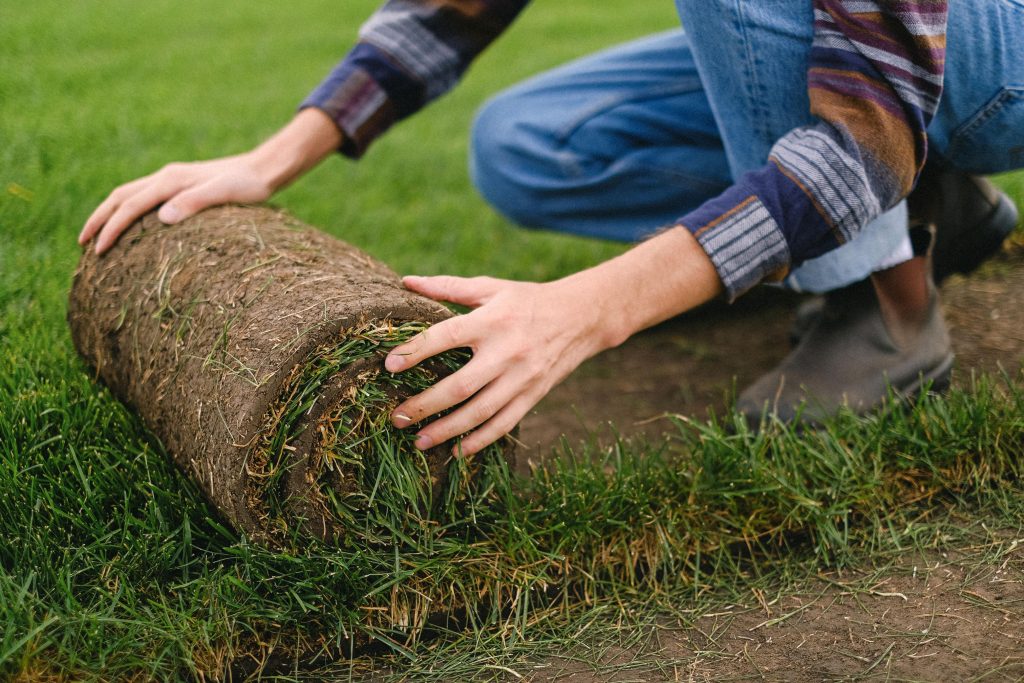
Homeowners who are planning exterior home upgrades should consider how future patios, walkways, fences, and outdoor living areas may interact with tree placement.
Planting with future projects in mind helps avoid costly adjustments later.
Long-term planning creates a more functional landscape.
Proper Tree Planting Techniques
Even the best tree can struggle if planted incorrectly.
Plant at the Correct Depth
Avoid planting too deeply.
Improve Soil Conditions
Healthy soil supports stronger root growth.
Water Consistently
Young trees require regular watering during establishment.
Proper planting increases the chances of long-term success.
Mulching for Healthier Trees
Mulch offers several benefits.
It helps:
- Retain moisture
- Reduce weeds
- Moderate soil temperatures
Apply mulch around the root zone while keeping it away from the trunk.
This promotes healthier growth.
Pruning and Maintenance
Most residential trees benefit from occasional pruning.
Benefits include:
- Improved structure
- Better airflow
- Enhanced appearance
- Reduced storm damage risk
Avoid excessive pruning, which can stress the tree.
Follow species-specific recommendations whenever possible.
Protecting the Home From Tree Damage
While trees provide many benefits, they should be monitored regularly.
Inspect for:
- Dead branches
- Storm damage
- Disease symptoms
When maintaining essential home systems, homeowners should also ensure that branches do not interfere with roofs, gutters, utility lines, or HVAC equipment.
Regular inspections help protect both the tree and the home.
Seasonal Tree Care
Trees require different care throughout the year.
Spring
- Inspect for winter damage
- Apply mulch if needed
Summer
- Water during dry periods
- Monitor for pests
Fall
- Remove damaged branches
- Prepare for winter
Winter
- Inspect structure
- Plan future pruning
Seasonal care supports long-term tree health.
Common Tree Planting Mistakes
Choosing Trees Based Only on Appearance
Always consider mature size and maintenance needs.
Planting Too Close to Structures
This can create expensive problems later.
Ignoring Local Conditions
Climate and soil matter.
Overwatering
Too much water can damage roots.
Neglecting Early Care
Young trees need attention while establishing themselves.
Working With Professionals
Landscape designers and arborists can help homeowners:
- Select appropriate species
- Evaluate planting locations
- Develop maintenance plans
Professional advice often prevents costly mistakes.
Long-Term Benefits of Planting Trees
Trees offer value that grows over time.
Benefits may include:
- Increased property value
- Lower energy bills
- Enhanced curb appeal
- Improved outdoor enjoyment
- Better environmental health
The right tree can become one of the most important features of a property’s landscape.
Final Thoughts
Choosing the best trees to plant near a house involves balancing beauty, shade, maintenance requirements, and long-term growth. Species such as Japanese maple, red maple, dogwood, serviceberry, crape myrtle, Eastern redbud, magnolia, river birch, Amur maple, and American hornbeam provide excellent options for homeowners seeking both shade and curb appeal.
By considering mature size, root behavior, climate compatibility, and proper placement, homeowners can enjoy the benefits of healthy trees without creating future maintenance challenges. With thoughtful planning and regular care, the right trees can enhance a property’s appearance, improve comfort, and add lasting value for many years to come.
Meta Title
10 Best Trees for Shade and Curb Appeal Near Your Home
Meta Description
Discover the best trees for residential landscapes that provide cooling shade, beautiful curb appeal, manageable growth, and long-term value for homeowners.