Everything to Know About the Commercial Roof Repair Process
If you are a business owner and think your roof needs repair, you may feel a bit overwhelmed or unsure about how to begin. Understanding the commercial roof repair process is essential for those who want to protect their buildings, maintain safety standards, and avoid costly emergencies. Commercial roofing systems differ significantly from residential roofs in size, structure, materials, and maintenance requirements, making it important to recognize early warning signs and understand the steps involved in professional repairs. Whether you manage a retail center, an industrial warehouse, or a multi-story office building, staying informed helps you act quickly and make well-informed decisions.
What Is the Typical Process for a Commercial Roof Repair?
Initial Inspection and Assessment
A comprehensive inspection is the first step. Roofing professionals evaluate the membrane, decking, flashing, drainage system, insulation, and overall structural integrity. Thermal imaging or moisture scans may be used to detect hidden problems.
Development of a Repair Plan
After the assessment, the contractor creates a detailed repair plan outlining recommended solutions, materials, timelines, safety considerations, and cost estimates. This helps business owners understand the nature of the repairs and make informed choices.
Obtaining Necessary Permits
Some jurisdictions require permits for roof repairs, especially when structural changes or major restorations are involved. Working with a contractor familiar with local regulations ensures the project complies with code.
Execution of Repairs
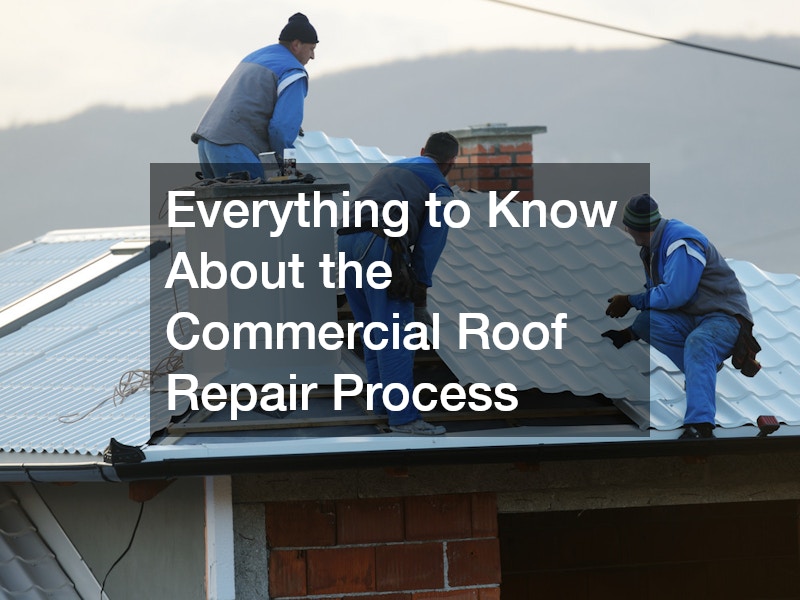
Repair activities vary based on the issue but may include patching membranes, replacing damaged insulation, sealing seams, improving drainage, or reinforcing weakened structures. Professional technicians follow safety and quality standards to restore the roof’s durability.
Final Inspection and Quality Assurance
A post-repair inspection verifies that all work meets quality expectations. Contractors typically check waterproofing integrity, ensure all materials are properly installed, and confirm that the roof system is functioning as intended.
Types of Commercial Roofs and Which Businesses They Suit Best
Commercial roofs come in various materials and structural designs, each with its own advantages depending on the building’s purpose, location, and budget. Choosing the right type can reduce long-term maintenance costs and improve energy efficiency.
1. TPO (Thermoplastic Polyolefin)
Best for: Offices, retail centers, restaurants, medical facilities
TPO is one of the most popular commercial roofing options due to its affordability, heat-reflective surface, and energy efficiency. It works well for businesses that want to reduce cooling costs or operate in warm climates. Its strong resistance to UV rays, chemicals, and punctures makes it ideal for buildings with moderate foot traffic.
2. EPDM (Ethylene Propylene Diene Monomer)
Best for: Warehouses, factories, large commercial buildings
Known as “rubber roofing,” EPDM is durable, flexible, and long-lasting. Its ability to withstand extreme temperature fluctuations makes it a strong choice for industrial environments. EPDM is also one of the most cost-effective options for large flat roofs with low foot traffic.
3. PVC (Polyvinyl Chloride)
Best for: Restaurants, food processing facilities, chemical plants
PVC roofing excels in environments where grease, chemicals, and harsh contaminants are present. It is extremely fire-resistant and has strong welded seams, providing reliable waterproofing. Restaurants and commercial kitchens especially benefit from its chemical resistance.
4. Metal Roofing
Best for: Retail stores, modern offices, schools, municipal buildings
Metal roofs are durable, energy-efficient, and visually appealing. They resist fire, high winds, and impact damage, making them ideal for areas prone to storms. Businesses wanting a long-lasting, low-maintenance option often choose metal systems.
5. Built-Up Roofing (BUR)
Best for: High-traffic roofs, older commercial buildings
BUR roofs consist of multiple layers of asphalt and fabric, creating a thick, durable surface. They’re excellent for roofs that need strong load-bearing capacity. If your commercial roof has HVAC units or frequent maintenance activity, this might be the choice for you.
6. Modified Bitumen Roofing
Best for: Small businesses, low-slope roofs, mixed-use buildings
This system combines the durability of BUR with easier installation. It performs well in cold climates and offers good flexibility, making it suitable for smaller commercial structures.
Choosing the right roof type depends on factors such as climate, business operations, budget, foot-traffic levels, and long-term energy goals.
How to Choose a Reliable Commercial Roof Repair Contractor?
Research Contractor Credentials
Look for licensed, insured, and certified roofing professionals with experience in commercial projects.
Check References and Reviews
Speaking with previous clients and reading verified reviews helps verify reliability and craftsmanship.
Evaluate Communication and Responsiveness
A reputable contractor is transparent, answers questions clearly, and maintains consistent communication.
Assess Warranty and Service Guarantees
Stronger warranties indicate confidence in the quality of work and materials.
Request Detailed Estimates
Clear, itemized estimates help avoid surprise fees and allow for better comparison between contractors.
How Long Does the Commercial Roof Repair Process Usually Take?
Repair duration varies widely based on:
Factors Affecting Repair Time
Severity of damage, building size, weather conditions, and material availability all influence timelines.
Minor Repairs
Small fixes, like patching leaks, may take only a few hours to one or two days.
Major Repairs
Extensive membrane replacement, structural restoration, or drainage redesign may take days or weeks.
Weather Considerations
Rain, snow, high winds, or extreme temperatures can delay work, especially on flat roofing systems.
Streamlining Repairs
Planning ahead and scheduling inspections before problems escalate helps minimize downtime.
Overall, commercial roof repair is a multi-step process that requires attention, expertise, and strategic decision-making. Understanding early warning signs, selecting the right roof type, and partnering with knowledgeable contractors helps business owners protect their property and minimize costly disruptions. With proper maintenance and timely repairs, commercial roofs can provide decades of reliable performance, ensuring the safety and efficiency of the businesses they shelter.