






Owning a home involves far more than paying a mortgage and keeping up with appearances. Every property relies on a network of interconnected systems that affect comfort, safety, efficiency, and long-term value. When one system falls behind on maintenance, it often places added strain on others, leading to higher costs and unexpected disruptions. Proactive care allows homeowners to plan ahead rather than react to emergencies.
This guide walks through essential home services and explains how to manage them in practical, achievable ways. You’ll learn how to spot early warning signs, schedule work efficiently, and build routines that protect your investment over time. Whether you’re maintaining a long-time residence or caring for a newer property, these strategies can help you stay organized and confident in your approach.
Staying Comfortable Year-Round With System Care
Maintaining indoor comfort is one of the most important responsibilities of any property owner. Temperature control affects daily living, energy use, and even indoor air quality. Regular Heating services play a central role in keeping your home comfortable during colder months while also helping equipment run more efficiently throughout the year.
Rather than waiting until a system stops working, it helps to treat heating maintenance as an ongoing process. Small adjustments and inspections can prevent larger problems from developing and reduce the likelihood of mid-season breakdowns.
Homeowners can support their heating systems between professional visits by adopting simple habits:
- Replace air filters every one to three months, depending on usage and household conditions
- Keep vents and registers clear of furniture, rugs, and curtains
- Monitor thermostat performance and watch for uneven temperatures
- Listen for unusual noises during operation
- Check visible ductwork for loose connections or damage
Creating a basic seasonal checklist also makes a big difference. Before colder weather arrives, confirm that your thermostat settings are working properly, clear debris from outdoor components, and schedule inspections early, when appointment availability is usually better. During warmer months, reduce strain on your system by keeping doors and windows sealed and using ceiling fans to improve air circulation.
Budgeting is another key factor. Planned maintenance visits typically cost far less than emergency service calls. Setting aside a small monthly amount for home care allows you to handle routine inspections without financial stress. Over time, this approach helps stabilize expenses while extending the life of your heating equipment.
Comfort isn’t just about warmth. A well-maintained system also supports consistent airflow and humidity levels, making your living space healthier and more enjoyable throughout the year.
Catching Early Warning Signs Before Bigger Issues Develop
Even with regular care, mechanical systems can show signs of wear. Recognizing those signals early allows you to address problems before they escalate into expensive repairs. Many homeowners delay scheduling heat pump repair because the system still works, even if performance has noticeably declined.
Heat pumps often provide subtle clues when something isn’t right. Paying attention to these indicators helps you take action at the right time.
Common warning signs include:
- Reduced airflow from vents
- Rooms that feel warmer or cooler than usual
- New rattling, buzzing, or grinding sounds
- Short cycling, where the system turns on and off frequently
- Unexpected increases in energy bills
Visual checks are equally important. Take a few minutes each month to inspect outdoor units for leaves, dirt, or obstructions. Make sure there is at least two feet of clearance around the unit. Inside, look for moisture near air handlers or signs of dust buildup around vents.
Homeowners can also benefit from understanding basic system alerts. Many modern units display error codes or warning lights that point to specific issues. Keeping your owner’s manual accessible or saving a digital copy can help you interpret these messages quickly.
Being proactive doesn’t require technical expertise. It simply involves observation, consistency, and responding promptly when something feels off.
Organizing Long-Term Projects That Improve Functionality
Beyond mechanical systems, surface upgrades can dramatically improve how your home looks and functions. Garages, in particular, often become storage hubs, workshops, or entry points into the home. Investing in garage floor epoxy coating services can transform this space into a cleaner, more durable area that supports daily activities.
Epoxy coatings protect concrete from moisture, stains, and wear while creating a smooth, easy-to-clean surface. For homeowners who use their garage regularly, this upgrade offers both practical and visual benefits.
Preparation plays a major role in successful projects. Before installation, homeowners should:
- Remove all vehicles, shelving, and stored items
- Sweep and clean the floor thoroughly
- Identify existing cracks or damage
- Protect nearby walls and door frames
- Plan temporary parking or storage alternatives
After installation, proper care extends the life of the coating. Avoid dragging heavy objects across the surface, clean spills promptly, and use mats in high-traffic areas. Periodic sweeping and gentle mopping help preserve the finish.
Long-term upgrades work best when they’re part of a broader maintenance strategy. Treating your garage as an extension of your living space encourages better organization and protects valuable equipment, vehicles, and belongings.
Improving Daily Convenience Through Garage System Maintenance
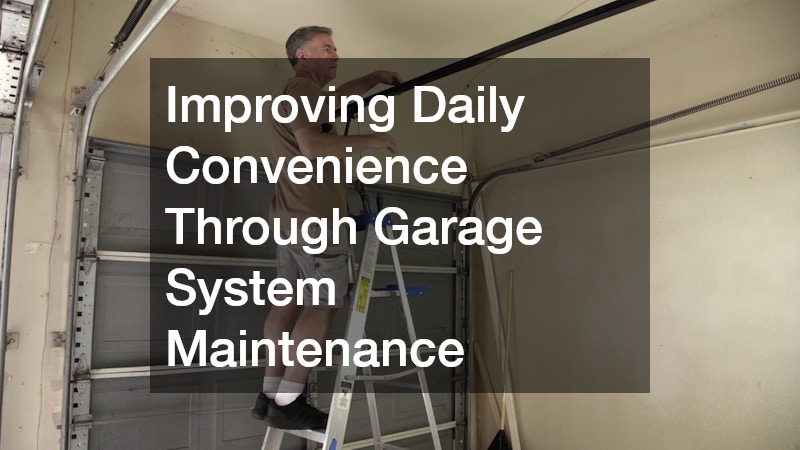
Garage doors are used multiple times a day in many households, yet they often receive little attention until something stops working. Reliable garage door opener support keeps this essential access point operating safely and smoothly while reducing the risk of sudden malfunctions.
Routine checks can reveal small issues before they interfere with daily routines. Homeowners can perform simple monthly inspections by testing safety features and observing door movement.
Helpful maintenance steps include:
- Testing auto-reverse sensors with a small object
- Inspecting rollers and tracks for debris
- Lubricating moving parts according to manufacturer guidelines
- Checking remote controls and keypads for responsiveness
- Tightening visible hardware when needed
Alignment problems, worn gears, and aging motors can all affect performance. Early intervention helps prevent situations where the door becomes stuck open or closed, which can compromise security and convenience.
Upgrading older systems may also improve efficiency and safety. Newer openers often include quieter operation, smartphone integration, and enhanced security features. When planning updates, consider how your garage fits into daily household routines and long-term goals.
Keeping a small maintenance log is surprisingly useful. Recording dates of inspections, adjustments, and part replacements helps you track patterns and anticipate future needs. Over time, this documentation supports smarter decisions about repairs versus upgrades.
A well-functioning garage system doesn’t just save time. It also protects vehicles, stored items, and the overall structure of your home.
Protecting Your Home’s Exterior With Regular Inspections
Your roof is one of the most important barriers between your home and the elements. Working with a residential roofing company for routine inspections helps catch damage early and preserve structural integrity. Many roofing problems start small, making them difficult to spot without regular checks.
Homeowners can support professional assessments by conducting visual inspections from the ground after storms or seasonal changes. Look for missing shingles, uneven rooflines, or debris accumulation in valleys and gutters.
Preventative care includes:
- Clearing gutters and downspouts regularly
- Trimming overhanging tree branches
- Checking attic spaces for signs of leaks or moisture
- Monitoring ceilings and walls for discoloration
Keeping documentation is equally important. Save inspection reports, warranties, and repair records in a dedicated folder. These documents are helpful for insurance claims, resale, and planning future maintenance.
Coordinating roof care with other exterior projects also reduces repeated labor. For example, addressing flashing, siding, and gutter upgrades during the same period minimizes disruption and often lowers overall costs.
A proactive approach protects more than just shingles. It safeguards insulation, framing, and interior finishes, all of which depend on a reliable roof to stay dry and stable.
Managing Moisture Risks Throughout the Property
Water intrusion can quietly undermine a home’s foundation, walls, and air quality. Partnering with a professional waterproofing service helps identify vulnerabilities and implement solutions before damage becomes widespread.
Moisture problems often originate outside the home. Poor drainage, clogged gutters, and improper grading allow water to collect near foundations. Over time, this moisture can seep into basements or crawl spaces.
Homeowners can monitor moisture risks by watching for:
- Musty odors in lower levels
- Efflorescence or white residue on walls
- Peeling paint or warped baseboards
- Condensation on windows or pipes
Interior strategies also matter. Using dehumidifiers, improving ventilation, and storing items off the floor reduce the impact of humidity. Outdoors, extending downspouts and maintaining proper soil slope help direct water away from the structure.
Creating a moisture-monitoring checklist keeps these tasks manageable:
- Inspect basement walls quarterly
- Clean gutters at least twice a year
- Check sump pump operation seasonally
- Confirm drainage paths after heavy rain
By addressing moisture at multiple points, homeowners build layered protection that supports long-term durability. Preventing water entry is far easier than repairing damage after it spreads.
Building a Reliable Plumbing Maintenance Routine
Plumbing systems work quietly in the background, making them easy to overlook until a problem surfaces. Establishing relationships with dependable plumbing companies allows homeowners to develop maintenance schedules that prevent disruptions and extend system life.
Routine plumbing care focuses on both fixtures and hidden components. Regular inspections help identify corrosion, pressure issues, or aging pipes before they fail.
Simple habits that protect plumbing systems include:
- Avoiding grease and food scraps in drains
- Using strainers in sinks and showers
- Monitoring water pressure levels
- Flushing water heaters annually
- Checking exposed pipes for signs of wear
Keeping repair histories organized is especially helpful for older homes. Record dates of pipe replacements, fixture upgrades, and inspections. This information guides future planning and helps technicians understand your system’s background.
Plumbing maintenance also pairs well with appliance upgrades. Coordinating inspections with new dishwashers, washing machines, or water heaters ensures compatibility and reduces the chance of installation-related issues.
Proactive care minimizes surprises while supporting efficient water use throughout the home.
Responding Quickly When Problems Appear
Even with preventative measures, plumbing issues can arise unexpectedly. Knowing how to react during plumbing repair situations limits damage and shortens recovery time.
The first step is understanding your home’s shutoff valves. Every homeowner should know where the main water shutoff is located and how to operate it. Labeling this valve clearly saves precious time during emergencies.
When problems occur:
- Turn off the water immediately if a leak is active
- Use towels or buckets to control spreading moisture
- Move nearby belongings to dry areas
- Document visible damage with photos
- Ventilate affected rooms to speed drying
Temporary fixes, such as pipe clamps or plumber’s tape, can slow leaks until professional help arrives. However, these measures are not substitutes for proper repairs.
After service is completed, monitor the area for several days. Look for lingering moisture, changes in water pressure, or unusual sounds. Early follow-up prevents secondary issues like mold or material deterioration.
Preparedness turns stressful situations into manageable tasks. A clear response plan reduces panic and helps protect both property and peace of mind.
Coordinating Climate Care With Seasonal Planning
Efficient temperature control depends on thoughtful scheduling and communication. Working with local hvac companies allows homeowners to build service calendars that align with seasonal needs while avoiding peak demand periods.
Spring and fall are ideal times for inspections, as systems are not under heavy load. Booking visits during these transitional months often results in better appointment availability and more thorough evaluations.
To prepare for technician visits:
- Clear access to indoor units and vents
- Remove debris from outdoor equipment
- Make a list of recent concerns or changes
- Gather past service records
Grouping appointments can also save time. For example, scheduling HVAC maintenance alongside electrical or insulation checks minimizes repeated disruptions.
Tracking service reports is another valuable habit. Keep notes on recommendations, replaced parts, and performance trends. Over time, this information reveals patterns and supports informed decisions about upgrades or replacements.
Consistent planning transforms climate care from a reactive chore into a predictable routine that supports comfort and efficiency year-round.
Supporting Safe Upgrades With Electrical Planning

Modern homes rely heavily on electrical systems, from basic lighting to advanced climate controls. Partnering with residential electricians ensures upgrades are completed safely while accommodating growing power demands.
Electrical evaluations are especially important before major renovations or appliance additions. Panels, outlets, and wiring must support new loads without creating safety risks.
Homeowners preparing for electrical work can take several steps:
- Clear space around breaker panels
- Label circuits for easier identification
- Note flickering lights or warm outlets
- List upcoming equipment additions
Coordinating electrical projects with HVAC or remodeling efforts prevents redundant labor. For example, completing wiring upgrades before installing new climate systems avoids reopening walls later.
Safety improvements often include adding grounded outlets, upgrading panels, or improving surge protection. These updates not only support modern living but also reduce fire hazards and equipment damage.
Maintaining organized records of electrical work simplifies future projects and reassures buyers if the property is ever listed for sale.
By staying attentive to early warning signs, scheduling services strategically, and keeping organized records, homeowners create a strong foundation for long-term comfort and safety. Each system plays a role, and when they’re managed together, the entire property benefits. With consistent habits and informed decisions, you can protect your investment while enjoying a more reliable, comfortable living environment for years to come.